
About Us
Our Mission: Redefining Nurture
At The Redefining Nurture Project, we believe that parenting and teaching shouldn’t feel like an endless battle of wills.
Yet for so many parents and educators running on fumes - wondering why a day full of deep love and care still ended in exhaustion and defeat - that is the daily reality. If you are questioning why you are doing your absolute best but feel like you aren't getting it right, please take a breath. You are not failing. You have just been handed an outdated blueprint.
Most of us unknowingly inherited a 20th-century model of raising children - one built on behaviorism, carrots and sticks, rewards and punishments. It treats a child’s emotional overwhelm as misbehavior to be managed or controlled. But modern neuroscience tells us something vastly different, and deeply freeing.
When a child is dysregulated, their stress response takes over and their rational, thinking brain temporarily goes offline. Expecting a child to learn, self-soothe, or "behave" in that moment makes no more sense than lecturing someone in medical distress. Demanding independence or enforcing time-outs before a child’s nervous system is ready doesn't teach self-regulation - it leaves a child entirely alone with feelings they don't yet have the biological capacity to manage.
The result? An exhausting cycle of power struggles that leaves parents and teachers feeling depleted and children feeling disconnected.
There is a better way, and it doesn't involve adding more to your overflowing plate.
Decades of neurobiological research reveals a profound truth: true resilience, emotional strength, and authentic independence aren't built through forced compliance. They are built through co-regulation and connection. When we move from controlling behaviour to understanding the nervous system, everything shifts.
We bridge the gap between this transformative brain science and the daily, lived experience of parenting and teaching. We are here to help you replace outdated behavioural hacks with the science of connection - bringing emotional safety back to your home or classroom, and releasing you from the pressure to constantly manage and control.
You don't have to navigate this alone anymore. Let’s redefine nurture, together.
Meet the facilitators
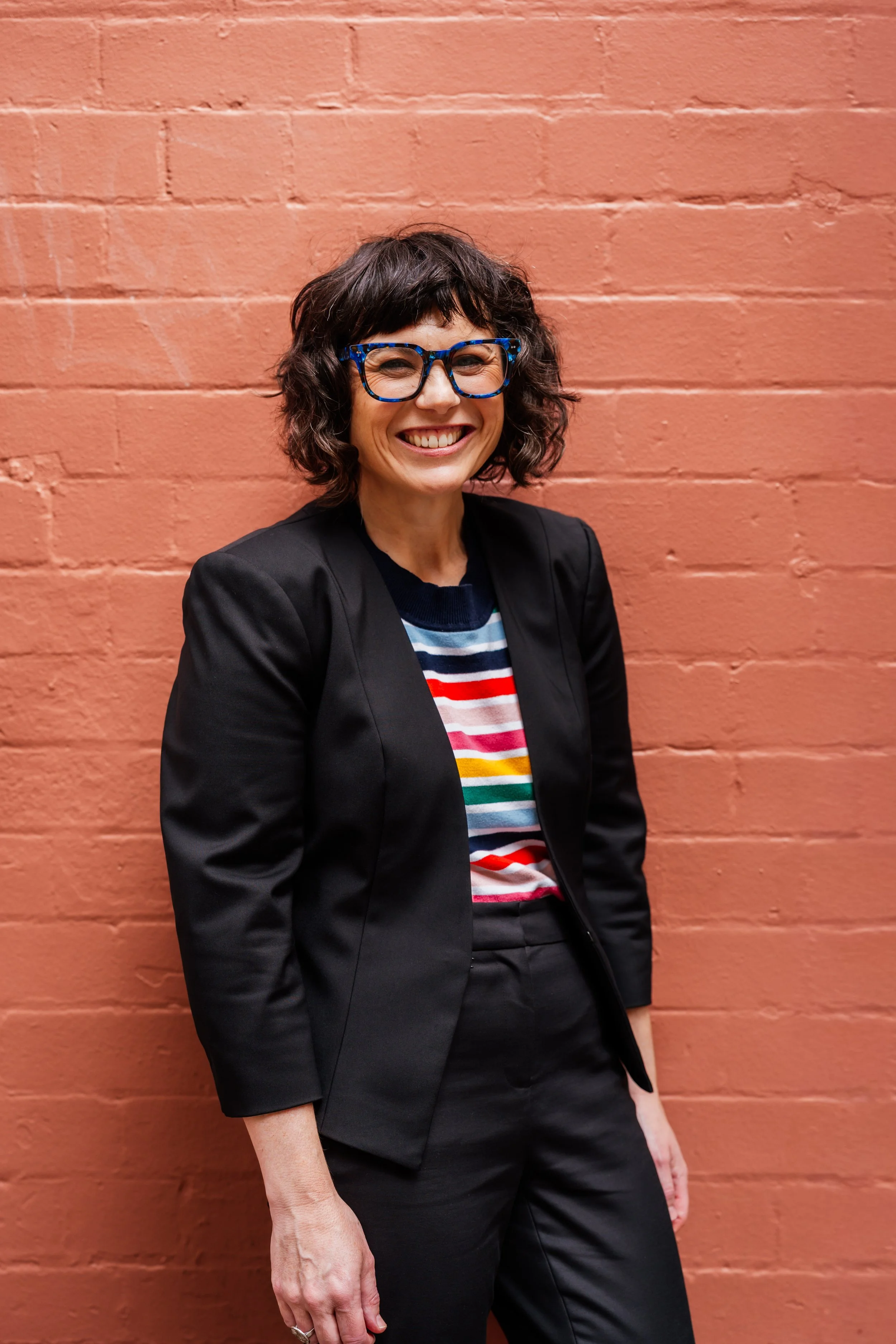
Martha McNess
Founder and Lead Facilitator
Martha’s career in education has always been driven by a passion for understanding how children learn and thrive. After more than ten years teaching and leading in primary schools, and another ten years in Education Officer and Consultant roles with the NSW Department of Education, she had seen first-hand the challenges families face in the modern world. She kept returning to one fundamental question: 'why were dedicated efforts from teachers and parents still falling short for certain children?'
It wasn't until Martha became a parent that the missing piece of the puzzle fell into place: attachment. Realising that a child’s sense of security is the foundation for so much future wellbeing and success, she became an accredited Circle of Security Parenting™ and Tuning in to Kids® facilitator. Today, Martha helps adults find the needs beneath children’s behaviours to build lasting emotional foundations.
Warm and welcoming, Martha brings a refreshing blend of professional pedagogical knowledge and "in-the-trenches" parenting experience to every group she facilitates.
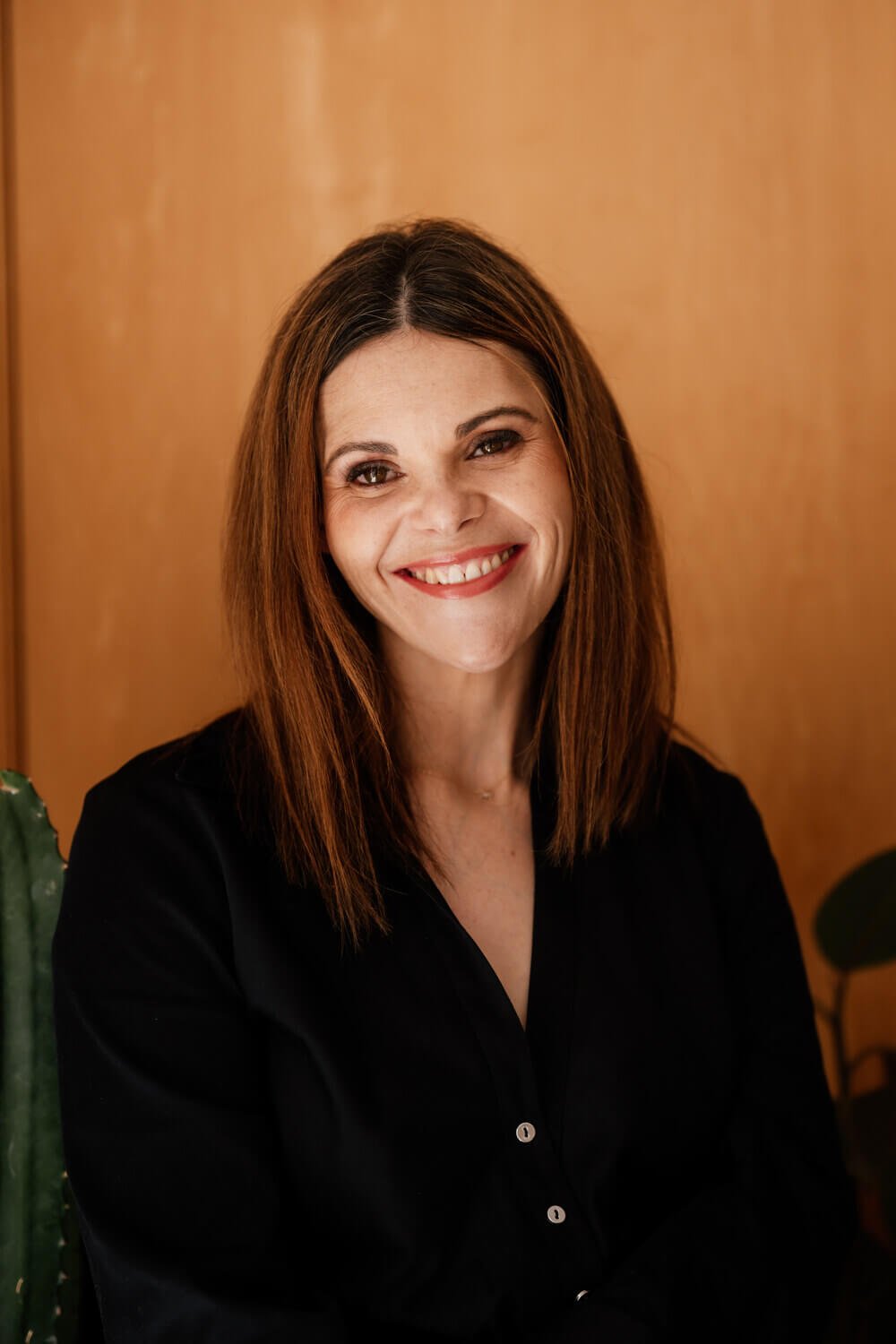
Miriam Hynes
Co-founder and Researcher / Program Facilitator
Miriam is a visionary educator and systems thinker who believes that every structural decision in education should begin with empathy. Backed by more than a decade of tertiary leadership - developing innovative curricula, guiding academic teams through complex accreditations, and leading social work programs - she knows how to build environments where people genuinely thrive.
As a social work academic, Miriam brings a deep theoretical understanding of family dynamics, parent-child relationships, and the broader environments in which children are raised. She teaches the next generation of practitioners to look beyond individual behaviour and understand the complex systems - from societal expectations to institutional power dynamics - that impact families and educators alike. By seamlessly translating this high-level research into practical, real-world application, Miriam ensures our work stays deeply informed, current, and grounded.